The Strategic Imperative: Why an Optimal Enterprise Airport Location Fuels Business Success
In today's relentlessly competitive global landscape, the strategic positioning of an enterprise can be the critical differentiator between stagnation and soaring success. While numerous factors contribute to a thriving business ecosystem, the often-underestimated significance of an enterprise airport location warrants meticulous consideration. This comprehensive exploration delves into the multifaceted advantages and intricate considerations surrounding the selection of an ideal airport vicinity for businesses, examining how it can profoundly impact operational efficiency, talent acquisition, market access, and ultimately, the bottom line.
Unparalleled Accessibility: Connecting Your Enterprise to the World
At its core, an advantageous airport location provides unparalleled accessibility, acting as a vital artery connecting your enterprise to a global network of clients, partners, and opportunities. The ease and speed of air travel directly influence the efficiency of business operations, facilitating seamless travel for executives, sales teams, and technical experts. Consider the tangible benefits:
- Reduced Travel Time and Costs: Proximity to an airport minimizes travel time to and from flights, translating directly into reduced transportation expenses, lower accommodation costs for traveling personnel, and increased productive hours. Imagine a scenario where a key executive can attend an early morning meeting in another city and return by the afternoon, maximizing their valuable time.
- Enhanced Client and Partner Engagement: A conveniently located airport simplifies visits for clients and partners, fostering stronger relationships and facilitating smoother collaborations. The perception of accessibility can significantly influence a client's decision to engage with your enterprise. A readily accessible location signals professionalism and ease of doing business.
- Attracting and Retaining Top Talent: In today's competitive talent market, accessibility can be a significant draw for prospective employees, particularly those who travel frequently or value convenient personal travel options. An enterprise situated near a major airport can attract a wider pool of qualified candidates and improve employee satisfaction and retention.
- Streamlined Logistics and Supply Chain Management: For businesses involved in the movement of goods, an airport location can offer significant logistical advantages, facilitating efficient air cargo transportation and potentially integrating seamlessly with other transportation networks. This can lead to faster delivery times, reduced shipping costs, and improved supply chain resilience.
Economic Catalysts: Fueling Growth and Development
Beyond immediate operational benefits, an enterprise airport location often acts as a powerful catalyst for broader economic growth and development. The presence of businesses clustered around airports creates vibrant economic ecosystems with numerous positive spillover effects:

- Job Creation and Economic Diversification: Airport vicinities tend to attract a diverse range of businesses, including logistics companies, hospitality services, technology firms, and manufacturing units. This concentration of economic activity leads to significant job creation across various skill levels and contributes to the diversification of the local economy, making it more resilient to industry-specific downturns.
- Infrastructure Development and Investment: The demand generated by businesses located near airports often spurs significant investment in infrastructure development, including improved road networks, public transportation systems, utilities, and telecommunications infrastructure. These improvements not only benefit the businesses in the area but also enhance the overall quality of life for the surrounding community.
- Innovation and Knowledge Spillovers: The concentration of diverse industries and skilled professionals in airport-centric business hubs can foster innovation and knowledge spillovers. The proximity facilitates networking, collaboration, and the exchange of ideas, leading to the development of new technologies, products, and services.
- Enhanced Property Values and Tax Revenue: The desirability of locations near airports for businesses often translates into higher property values, generating increased tax revenue for local governments. This additional revenue can be reinvested in public services, further enhancing the attractiveness of the area for both businesses and residents.
Strategic Considerations: Navigating the Landscape of Airport Vicinities
While the advantages of an enterprise airport location are compelling, a thorough evaluation of various strategic considerations is paramount to ensure a truly optimal choice:
- Airport Connectivity and Flight Schedules: The frequency and destinations served by the nearby airport are critical factors. A major international airport with frequent flights to key business centers offers significantly more value than a regional airport with limited connectivity. Analyzing flight schedules and potential future expansions is essential.
- Ground Transportation Infrastructure: Seamless connectivity to the airport via efficient road networks, public transportation options (such as dedicated airport express trains or bus services), and ride-sharing availability is crucial for employees and visitors alike. Traffic congestion and accessibility challenges can negate the benefits of proximity.
- Zoning Regulations and Development Potential: Understanding local zoning regulations and the potential for future development around the airport is vital for long-term planning. Restrictions on building heights, land use, and environmental regulations can impact expansion possibilities.
- Cost of Land and Real Estate: Property values in close proximity to airports can be significantly higher than in other areas. A careful cost-benefit analysis is necessary to weigh the advantages of location against the financial implications of land acquisition or leasing.
- Noise Pollution and Environmental Impact: While proximity offers convenience, businesses must also consider the potential impact of noise pollution and other environmental concerns associated with airport operations. Implementing mitigation strategies and ensuring compliance with environmental regulations are crucial.
- Security and Safety Considerations: Airport vicinities often have heightened security measures. Businesses need to understand and comply with these regulations and consider any potential security risks associated with their specific operations.
- Availability of Support Services: The presence of ancillary services such as hotels, conference centers, catering services, and business support facilities in the airport vicinity can be a significant advantage for businesses that frequently host meetings or have traveling personnel.

The Future of Enterprise Hubs: Airports as Integrated Business Ecosystems
The concept of an enterprise airport location is evolving beyond mere proximity to a transportation hub. Increasingly, airports are transforming into integrated business ecosystems, offering a range of amenities and services designed to attract and support businesses. This trend includes the development of airport cities or aerotropolis concepts, which integrate office spaces, research and development facilities, logistics centers, and even residential areas within close proximity to the airport. These integrated environments foster collaboration, innovation, and efficiency, further amplifying the strategic advantages of an enterprise airport location.
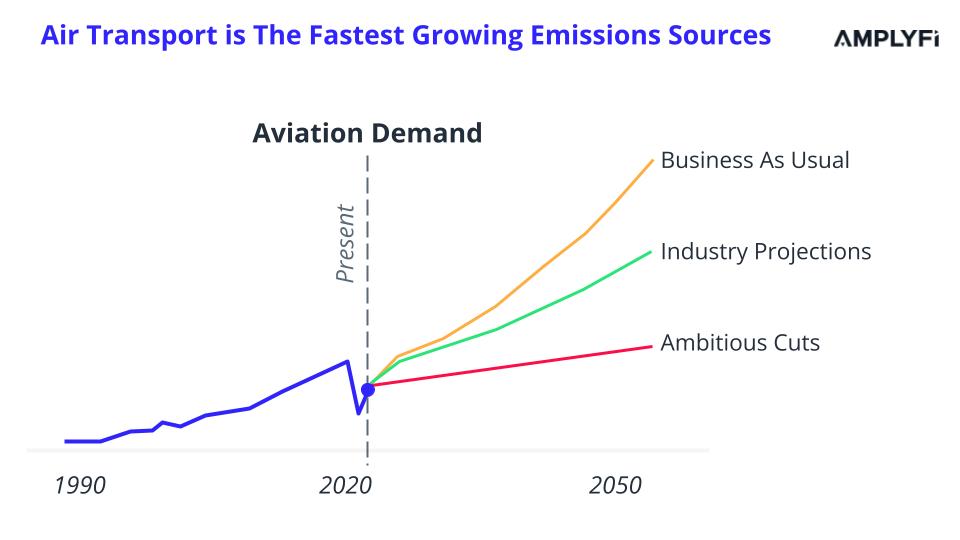
Furthermore, advancements in technology and transportation are shaping the future of airport-centric business hubs. The development of faster and more sustainable air travel options, coupled with advancements in digital connectivity and remote collaboration tools, will continue to enhance the value proposition of strategically located enterprises. As businesses increasingly operate in a globalized world, the importance of seamless connectivity and efficient travel infrastructure will only continue to grow, solidifying the enterprise airport location as a cornerstone of long-term success.
Conclusion: Strategically Positioning for Sustainable Growth

In conclusion, the selection of an optimal enterprise airport location is a strategic decision with far-reaching implications for a business's growth, efficiency, and overall success. By carefully considering the multifaceted advantages of accessibility, economic benefits, and the evolving landscape of airport-centric business hubs, enterprises can unlock unparalleled opportunities for global connectivity, talent acquisition, and sustainable development. A well-chosen airport location is not merely a matter of convenience; it is a powerful strategic asset that can propel an enterprise towards a future of sustained growth and global leadership. The astute business leader understands that in the interconnected world of today and tomorrow, being strategically positioned near a major airport is not just advantageous – it is increasingly essential.
Comments
Post a Comment